
REVIEW · SCUBA DIVING, SNUBA & HELMET DIVES
Discover Scuba Diving
Want to try scuba with training wheels?
This St. Thomas half-day course takes you from a quick classroom setup to supervised water skills, then into an underwater session in the bay or on a nearby boat. I especially like the instructor staying close the whole time and the gear getting handled for you, plus it even comes with a take-home booklet to keep the basics fresh after your saltwater nap. One more bonus, instructors are often praised by name, like Jack and Stephanie, for patience when first-timers get tangled in hoses or stress.
The biggest consideration is depth expectations. One review noted the deeper portion can still feel pretty shallow (around 15 feet), so if you’re hoping for a more dramatic, bottom-to-top experience right away, you might want to plan for an additional course after.
In This Review
- Key Highlights Worth Your Time
- St. Thomas First-Timer Training That Actually Feels Manageable
- What the Half-Day Schedule Feels Like, Step by Step
- Gear Included, So You Can Focus on Breathing and Buoyancy
- The Underwater Part: Bay Water or Reefs and Wrecks
- Option A: Bay-based underwater time
- Option B: Boat to nearby reef and wreck areas
- What You’ll See: Fish, Coral, Sea Anemones, and a Stingray
- Why the Instructor Matters More Than the Equipment
- Price and Value: What $175 Buys You in St. Thomas
- Who This Course Fits Best
- Health, Flying, and Weather: The Rules That Keep You Safe
- A Quick Practical Plan for Your Day
- Should You Book This Discover Scuba Course?
- FAQ
- How long is the Discover Scuba course in St. Thomas?
- How much does it cost?
- Do I need scuba certification to take this course?
- What equipment is included?
- Will I have an instructor with me the entire time?
- Where does the activity start and end?
- How many people are in each group?
- Are tips included in the price?
- What happens if weather is bad?
Key Highlights Worth Your Time
- No certification required at first so you can experience scuba skills on vacation
- Instructor-by-your-side supervision for confidence in the water
- All equipment included (tank, BCD, regulator, weights, fins, mask, snorkel)
- Classroom to water progression starting in shallow water
- Reef and wreck options around St. Thomas depending on conditions
- Small group size capped at 12
Other ways to get under the surface here
- Sea Trek Helmet Dive at Coral World Ocean Park
★ 5.0 · 992 reviews - Two-Tank Dive for Certified Diving in St Thomas
★ 5.0 · 456 reviews - Discover Scuba Diving with No Certification in St Thomas
★ 5.0 · 223 reviews - Guided Underwater Scooter and Snorkeling Activity in St. Thomas
★ 5.0 · 195 reviews
St. Thomas First-Timer Training That Actually Feels Manageable
St. Thomas is a great place to take your first underwater course because the conditions often let you practice safely, without pretending you’re an Olympic swimmer. This experience is built for beginners who want to learn the basics and see sea life without jumping straight into the deep end.
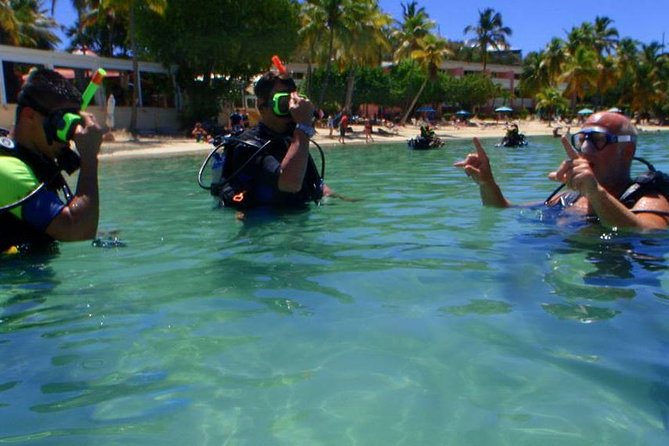
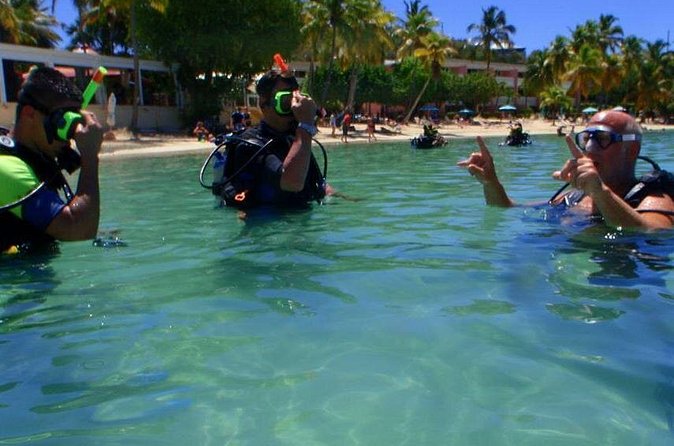
I like that the format is structured and not vague. You start with instruction on land, then move into shallow water to learn how your gear works and how to control your breathing. After that, you complete an underwater session with plenty of supervision. That step-by-step flow matters, because scuba is less about heroics and more about calm, correct habits.
The other thing I like is the quality-of-life details. You get all the gear you need, which removes a big source of stress. In a review, one person had issues with their gear at the start, and the instructor swapped what was causing the problem. That kind of hands-on fix is a big part of why this course works for nervous first-timers.
What the Half-Day Schedule Feels Like, Step by Step
This is about a 3 hours 30 minutes activity, and it runs from a meeting point in St. Thomas back to the same place. It’s also marketed with a mobile ticket, which is convenient when you’re juggling ferry times, sunscreen, and snack plans.
Here’s how the session typically unfolds, and why each part helps you:
- Classroom start with an instructor
You get the core info before you hit the water. Even if you’ve never touched scuba gear, you’ll learn what the main pieces do and what to do when something feels off.
- Shallow-water skills
This is where you build comfort. You practice basic movements and breathing while the water keeps things controlled. For a first course, shallow practice is how you avoid the panic spiral.
- Underwater portion
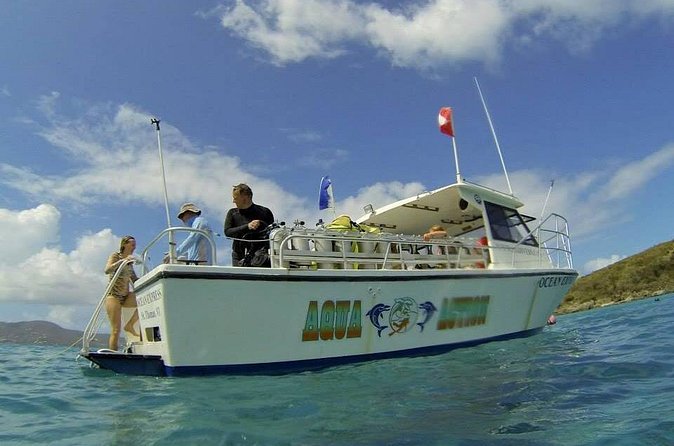
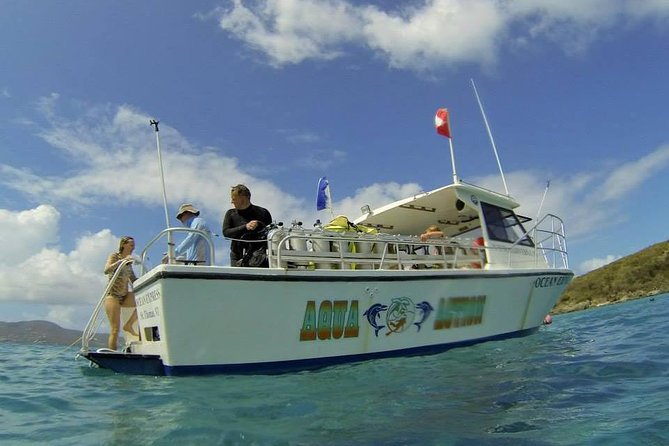
After you show you can handle the basics, you go for the full underwater experience. The plan can be a bay-based option or a boat outing to see reefs and wrecks off St. Thomas, depending on conditions.
One practical reason the shallow-to-underwater progression works: you get time to learn how to equalize and how buoyancy feels before you’re asked to pay attention to fish, coral, and the rest of the underwater show.
Gear Included, So You Can Focus on Breathing and Buoyancy
The equipment list is fully included, including things that many beginners don’t even know they should ask about: tanks, weights, BCD, regulator, wet suit, fins, mask, snorkel. That’s a smart value play. If you had to rent and figure out gear on your own, the learning curve would be steeper and the risk of an uncomfortable setup goes up.
Also, the staff are there to adjust and help. Multiple reviews highlight patience and close attention in the water. If you’re the type who worries you’ll be the person who can’t get the mask to seal, you’ll likely feel better once an instructor starts checking your fit and setup.
A small note to set expectations: you’ll want to be ready for the wet suit and the weight belt fit to feel a little different than you’re used to. It shouldn’t be painful, but the first adjustment always takes a minute.
The Underwater Part: Bay Water or Reefs and Wrecks
This is where the experience can vary, and you should plan mentally for both possibilities.
Other dives run from these islands
Option A: Bay-based underwater time
Some trips focus on calm bay water for a more straightforward first experience. You still get the moment of going underwater with guided instruction, and you get to see marine life close to the start. One review specifically mentioned that the deeper section felt around 15 feet, which is still enough to see coral and sea life, but it may not match someone’s idea of a longer, deeper push.
Option B: Boat to nearby reef and wreck areas
If conditions and schedules line up, the course may take you on a boat to see reefs and wrecks off St. Thomas. Reefs typically offer more colorful life, and wrecks can add a different structure for fish activity. Either way, the key is that you’re not out there alone figuring out how to behave underwater.
If your top priority is maximum time at a particular depth, this course is a first step, not a full-on advanced profile. Still, you can absolutely walk away with a satisfying first taste of the underwater world.
What You’ll See: Fish, Coral, Sea Anemones, and a Stingray
The best part of any beginner scuba session is the surprise of how alive the underwater world feels, even on a short outing. Reviews call out fish, corals, sea anemones, and at least one very memorable moment with a large stingray sleeping on the bottom.
You should also know the reality of first-timer courses: your attention is split. You’re learning breathing, staying neutral, and following instructor cues. That’s why the instruction quality matters. When it clicks, you can spend more time looking around, not just monitoring your gear.
If you’re coming from the surface snorkel world, you’ll likely notice two differences. First, you see more in the vertical direction, because you can control your position. Second, you understand the “why” behind buoyancy, which makes looking at sea life feel calmer and more natural.
Why the Instructor Matters More Than the Equipment
For a beginner, the gear is important, but the real safety and enjoyment comes from instruction. This course is designed so the instructor is with you the whole time, and the reviews back that up with consistent praise.
Names that showed up in reviews include:
- Jack, noted for being patient and clear
- Stephanie, called out as a terrific instructor and dive master
- Jaun and Danny, praised for patience and helping everyone get comfortable
- Sam and Diane, mentioned as good people to work with in the overall experience
You can read that list and learn something practical. You want an instructor who handles nerves and fixes problems fast. Instructors who swap gear when something isn’t working right save your day. If you’ve ever tried to learn a new sport while borrowing mismatched equipment, you already know why this matters.
Price and Value: What $175 Buys You in St. Thomas
At $175 per person, this course is positioned as a true try-it-first option. The value isn’t only the instruction. It’s that you’re getting a full setup: all scuba equipment, instructor support, and a take-home booklet for your continued learning.
Consider what you would pay on your own:
- Renting gear and trying to self-learn is usually more expensive and way less efficient.
- Booking a guided underwater outing without training often costs more and adds anxiety for a beginner.
Here you get the learning component baked in. That makes it a strong deal if you’re unsure you’ll like scuba. And if you do love it, you’re building the muscle memory you’ll use during certification later.
One timing note: it’s commonly booked about 46 days in advance. If you’re traveling in peak season or have a specific day you must get in, plan ahead rather than assuming you can walk up.
Who This Course Fits Best
This course is ideal if you:
- are a beginner who wants supervision and structure
- want to try scuba without starting with certification paperwork
- prefer a small group, with a maximum of 12 people
- care about a calm pace and clear instructions
It also helps if you’re moderately physically fit. The info notes a moderate fitness level is recommended, which makes sense for things like getting comfortable with buoyancy and basic movements in the water.
If you’re considering it because you’re nervous about gear or water time, this is a good first target. The overall tone in the feedback is that the staff make first-timers feel comfortable, quickly.
Health, Flying, and Weather: The Rules That Keep You Safe
Scuba is safe for many people, but it is still a medical activity, and the course is explicit about that.
- You’ll complete a health questionnaire before diving.
- Some conditions may prevent you from participating (asthma and heart conditions are listed as examples), so check with your doctor if you have anything like that in your background.
- Diving within 24 hours of flying is not recommended, so plan your itinerary accordingly.
On top of that, the experience requires good weather. If the course is canceled due to poor weather, you’ll be offered a different date or a full refund. That matters in St. Thomas, where sea conditions can change.
A Quick Practical Plan for Your Day
If you want this to go smoothly, treat it like a small training day, not just a fun excursion.
What helps:
- arrive rested enough to absorb instructions
- wear or bring easy-to-remove clothing for changing into a wet suit
- expect a little gear-learning time at the start
- keep an eye on your energy after the session, because you’re doing real physical coordination in a new environment
Also, if your expectation is “I want the coolest possible underwater scenery,” you’ll still get it. But you’ll get the best experience when you accept that your job as a beginner is to learn. When you do that, the sea life becomes the reward, not the distraction.
Should You Book This Discover Scuba Course?
If you’re a first-timer and you want a guided way to learn scuba basics, I think this is a smart booking. The combination of classroom instruction, shallow practice, included gear, and close instructor supervision is exactly what beginners need to feel confident fast. The repeated praise for patient instructors like Jack and Stephanie is a strong sign you won’t be rushed or left flailing.
Skip or consider a different option if:
- you’re expecting a very deep, dramatic underwater profile right away
- you have a health condition that might affect participation and you have not checked with a doctor
- you know you cannot travel with the 24-hour flying restriction in your schedule
For most people visiting St. Thomas, this course is the cleanest first step. You’ll come away with an underwater memory, better gear confidence, and a clearer idea of whether you want to pursue certification next.
FAQ
How long is the Discover Scuba course in St. Thomas?
It’s approximately 3 hours 30 minutes.
How much does it cost?
The price is $175.00 per person.
Do I need scuba certification to take this course?
No. It is designed as a beginner introduction where you can experience scuba without certification.
What equipment is included?
All necessary scuba equipment is included: tanks, weights, BCD, regulator, wet suit, fins, mask, and snorkel.
Will I have an instructor with me the entire time?
Yes. A qualified instructor is included, and you’re supported and supervised throughout the experience.
Where does the activity start and end?
It starts in St. Thomas, U.S. Virgin Islands, and ends back at the meeting point.
How many people are in each group?
The tour has a maximum of 12 travelers.
Are tips included in the price?
No. Gratuities are not included, and 15 to 20 percent of the tour cost is recommended.
What happens if weather is bad?
If it’s canceled due to poor weather, you’ll be offered a different date or a full refund.
Dives Run From These Islands
- Two-Tank Dive for Certified Diving in St Thomas★ 5.0 · 456 reviews
- Discover Scuba Diving with No Certification in St Thomas★ 5.0 · 223 reviews
- Private Full Day Guided Snorkeling or Diving Charter in St Thomas★ 5.0 · 18 reviews
Everything Else in the Islands
- Turtle Cove Catamaran Snorkel and Sail at Little Buck Island STT★ 5.0 · 2,100 reviews
- Snorkel St. John Tour from Sapphire and Margaritaville★ 5.0 · 1,874 reviews
- Night Kayak Tour St. Thomas – Westin Frenchman’s Reef★ 5.0 · 1,813 reviews
- Tree Limin’ Extreme Zipline★ 5.0 · 1,713 reviews
- Afternoon Snorkel, Pizza & Sunset Tour departing from St. Thomas & St. John★ 5.0 · 1,498 reviews
Under the Surface Out Here
- Sea Trek Helmet Dive at Coral World Ocean Park★ 5.0 · 992 reviews
- Two-Tank Dive for Certified Diving in St Thomas★ 5.0 · 456 reviews
- Discover Scuba Diving with No Certification in St Thomas★ 5.0 · 223 reviews
- Guided Underwater Scooter and Snorkeling Activity in St. Thomas★ 5.0 · 195 reviews
- Two Tank Dive★ 5.0 · 131 reviews
Reviewed lately across St Thomas, St John and St Croix

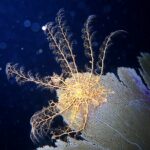



Scuba Diving, Snuba & Helmet Dives, compared.
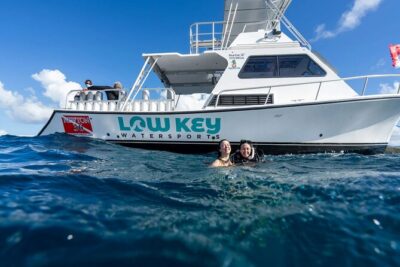 ★ 5.0Two-Tank Morning Dive Trip for Certified DiversFrom $180602 reviews
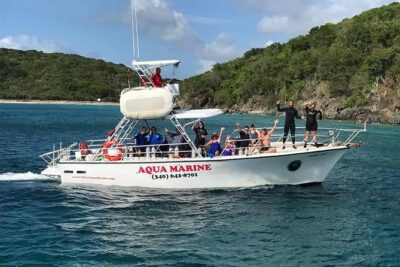 ★ 5.0Two-Tank Dive for Certified Diving in St ThomasFrom $189456 reviews
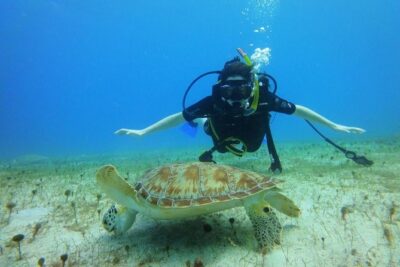 ★ 5.0Discover Scuba Diving with No Certification in St ThomasFrom $225223 reviews
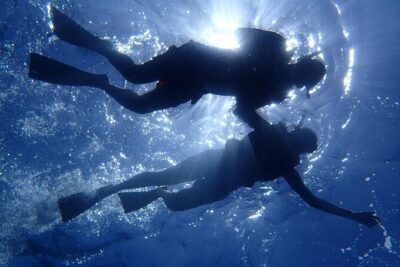 ★ 5.0Guided Underwater Scooter and Snorkeling Activity in St. ThomasFrom $131195 reviews
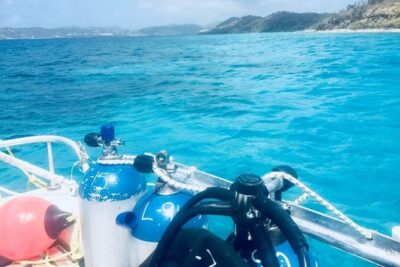 ★ 5.0Two Tank DiveFrom $200131 reviews
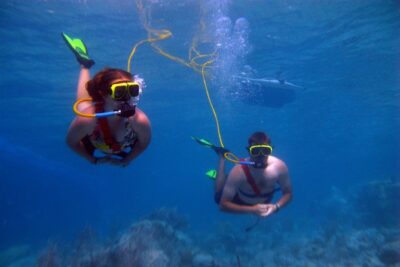 ★ 5.0Snuba Adventure at Coral World Ocean ParkFrom $102114 reviews
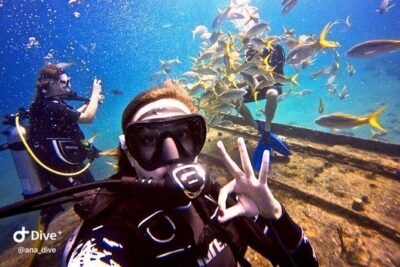 ★ 5.0PADI / SSI Open Water CertificationFrom $795100 reviews
 ★ 5.0Private Full Day Guided Snorkeling or Diving Charter in St ThomasFrom $3,22518 reviews
Browse the lists this tour appears in