
REVIEW · SCUBA DIVING, SNUBA & HELMET DIVES
Two-Tank Morning Dive Trip for Certified Divers
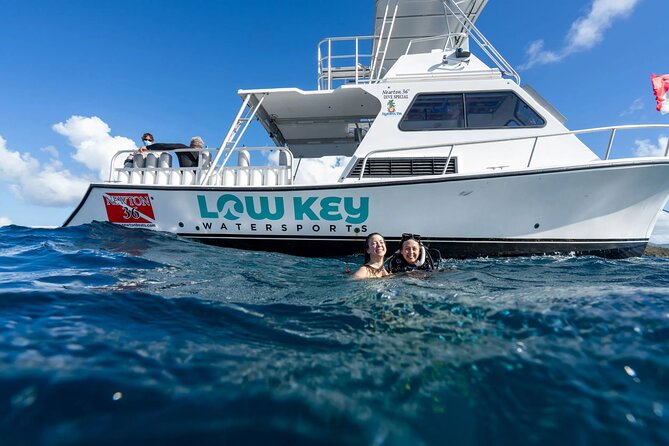
Two tanks, warm water, and friendly pros. This St John, US Virgin Islands morning scuba trip runs from Cruz Bay with PADI 5 Star guidance, includes your gear, and takes you to local reef areas around the outlying islands plus the north and south coasts. What I like most is the crew approach, with guides such as Serenity and Andre standing out for calm, practical coaching, and the fact that gear is covered so you spend less time organizing and more time in the water.
The trade-off to keep in mind is pacing and “what you see” can vary with conditions and the group. If you end up paired with very new participants, your time and freedom to explore at your preferred pace may feel more limited than you’d like, and reef life can be lighter on some days.
You’re looking at about 3 hours on the water, a start time of 8:10 am, and a max group size of 17. Expect relaxed profiles in the 30 to 80 feet range, led by a PADI professional, with warm water making it feel like a true morning escape rather than a long ordeal.
In This Review
- Key highlights you’ll care about
- Why this two-tank morning outing is such good St John value
- The 8:10 am start and Cruz Bay meeting point, in plain terms
- What happens on tank one: reef profiles, depth range, and the guide’s role
- Between tanks: why this window can make or break your comfort
- Tank two: matching your pace to the group without losing the point
- Gear, water, and what you should still bring
- Boat size, group size, and why up to 17 matters for comfort
- Depth range of 30 to 80 feet: what it means for planning your comfort
- Price vs what you get at $180 per person
- Who should book this and who should consider a different format
- FAQ
- Where does the two-tank morning trip start in St John?
- What time does the trip begin?
- How long is the trip?
- What is the maximum group size?
- What equipment is included?
- Do I need to be certified?
- What depth range should I expect?
- What is the cancellation deadline for a full refund?
- What happens if conditions are poor or the minimum number of travelers is not met?
- Should you book Low Key’s two-tank morning trip?
Key highlights you’ll care about
- Small-group cap (up to 17): easier communication and less waiting around.
- Guides who coach real skills: especially comfort with ear clearing and keeping goggles clear.
- Gear included: scuba equipment, plus snorkeling gear and water.
- Local reef areas around St John: outlying islands and both north and south shores.
- Boat access that works: smoother entry and exit helps the whole trip feel easier.
- Two-tank format in about 3 hours: efficient, so you keep the rest of your day free.
Still weighing it up? Here is what else the islands put on the water and on the road.
- Night Kayak Tour St. John – Westin Resort
★ 4.5 · 1,011 reviews - Book Your Private Two and a Half Hour Island Tour today!
★ 5.0 · 312 reviews - Kayak & Snorkel with Sea Turtles, National Park, St. John
★ 5.0 · 291 reviews - St. John Full-Day Lime Out Snorkel Taco Lunch & Open Bar – Westin
★ 5.0 · 289 reviews
Why this two-tank morning outing is such good St John value
At $180 per person for a two-tank morning, this is one of those trips where the pricing makes sense because you are paying for the full package: tanks, guided time, and the gear rental. In St John, that matters. If you add up the hassle and cost of arranging equipment yourself, plus paying for guided supervision separately, the “all-in” structure is what keeps this from feeling like you’re nickel-and-diming your way through the week.
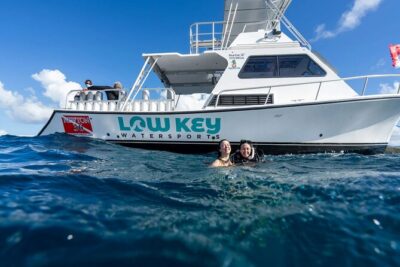
Low Key Watersports has been running for 30-plus years and is the only PADI 5 Star scuba center on St John. That kind of local longevity usually shows up in small things: how they run the boat, how they organize gear, and how they handle different experience levels in the same group. From the feedback, the vibe is consistent: people mention friendliness, competence, and a steady focus on safety without making it feel stiff.
And because the trip is only about half a morning, it is a great fit for a first day on island. You get a full taste of the reef without burning your whole day. If you like structure with a little flexibility, the schedule is a win.
The 8:10 am start and Cruz Bay meeting point, in plain terms
You meet at 1 Bay St, Cruz Bay, St John, USVI, with the activity starting at 8:10 am. The timing is early enough to beat the day’s heat and crowds, but not so early you feel like you’re sacrificing breakfast. Practically, this is the kind of start that pairs well with a plan to do lunch back on land and keep your afternoon open for beaches, a snorkel, or just a long sit-down meal.
The location is described as near public transportation, which is helpful if you are not renting a car. Still, plan to arrive a bit early. You will want time to check in, get fitted, and get comfortable with the boat routine before you’re out in open water.
You also receive a mobile ticket. That means less paper to manage when you’re traveling with salt air in the air and a camera in your hands.
What happens on tank one: reef profiles, depth range, and the guide’s role
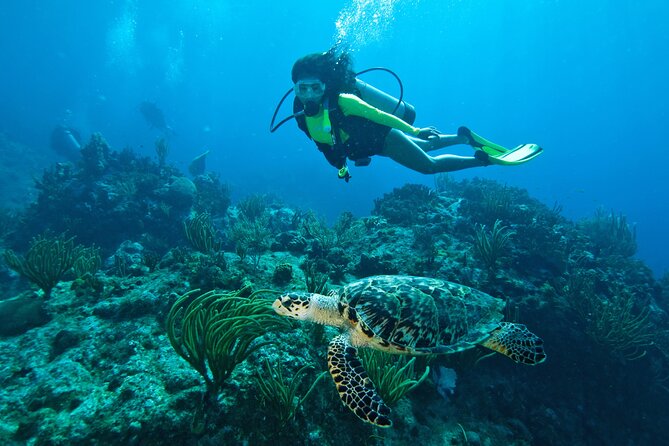
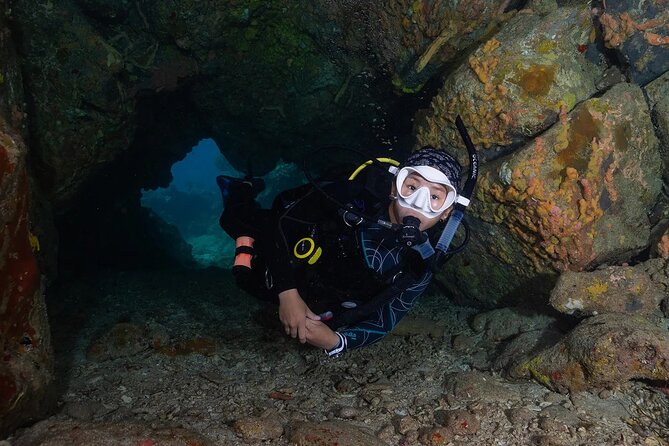
This trip is built around a two-tank experience on a local reef site, with the route taking you around the outlying islands and the north and south shores of St John. You should expect an easy-to-enjoy depth range of 30 to 80 feet. That range is broad enough to offer variety, but it is still anchored in the kind of profiles that feel manageable for certified scuba participants who want a relaxed morning.
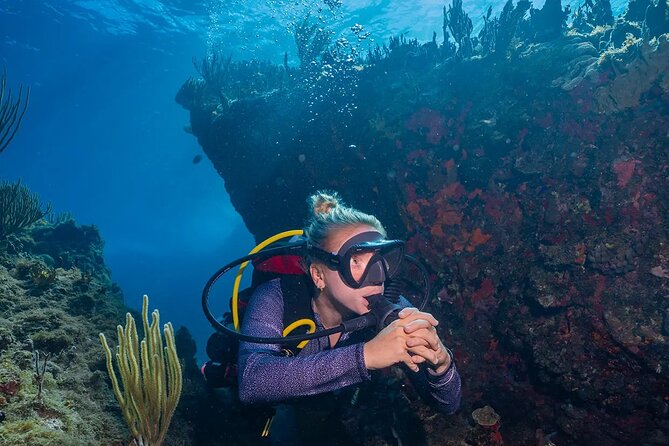
Tank one is where the guide really sets the tone. This is not just about pointing at fish. The operation emphasizes practical in-water comfort, and you can see that in the feedback: people call out coaches who help with ear clearing, and who make it easier to keep goggles in a good position. If you are rusty, or if you simply want fewer distractions, that coaching is a big deal.
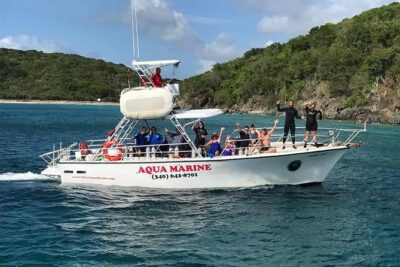
The boat itself is another factor. Several reports mention good access into and out of the water, which matters more than you’d think. If the entry and exit are awkward, the whole trip can feel harder than it needs to be. When that part is smooth, you spend more energy on buoyancy and enjoying what’s around you.
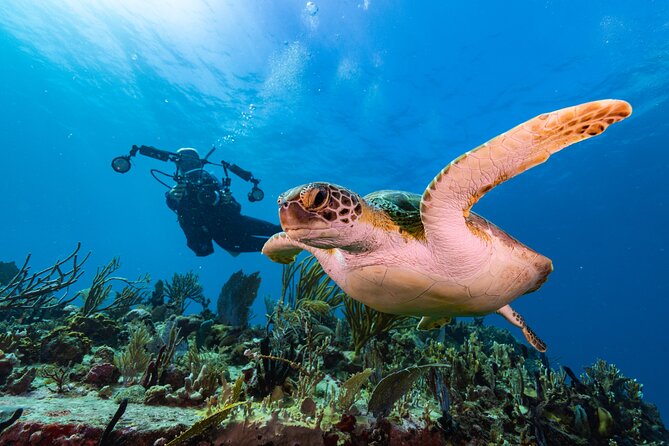
One realistic note: some people love the reefs, others wish there were more things to see. That isn’t a “you did something wrong” situation. Reef conditions change with currents, visibility, and seasonal life. The best approach is to treat the outing as a morning of local reef exploration rather than a guarantee of maximum wildlife density.
Between tanks: why this window can make or break your comfort
After tank one, there’s a break period on the boat. The important part for you is what you do with it.
First, use the surface interval to reset your gear fit and breathing rhythm. You’ll likely be asked to do a quick check, and it is worth paying attention. When the system is working well, you can feel it immediately: comfortable BCD position, easy mask seal, and confident valve handling.
Second, take advantage of the fact that snorkeling equipment and water are included. The format is for certified scuba participants, but the inclusion of snorkeling gear suggests there is surface time where people can switch gears or enjoy a bit of extra time around the boat. Even if you only plan to stay scuba-focused, it is reassuring to have options.
Third, mentally choose your goal for tank two. If tank one felt busy, your goal for tank two can be slower, cleaner buoyancy. If you felt relaxed already, your goal can be to extend your search a little wider within the site.
This between-tank rhythm is where a skilled crew really helps. People describe friendly, approachable staff, and that kind of attitude matters most when you are waiting in salty air, tired from hauling gear, or slightly anxious about the next descent.

Tank two: matching your pace to the group without losing the point
Tank two is when you want the trip to feel like it came together. You still get led structure, but you should feel more confident because you’ve already done the first round, learned the boat’s routine, and dialed in how your body reacts to depth.
The depth ceiling in this outing goes up to about 80 feet, but you should treat that as a maximum range, not a target. If you prefer to stay shallower, the guide’s job is to keep you safe and comfortable while still delivering a real reef experience.
Here’s the consideration to keep in mind, and it is the one that can affect experienced scuba participants most: group mix. The trip is capped at 17, and that’s a good size, but it still means you might have a wide spread of skill levels in the same water. If the group includes very new participants, the pace may be adjusted for everyone. That can reduce how much you want to explore, or it can make it feel less efficient in terms of air usage. In other words, tank two might be great, but it may not be a race.
If you want to maximize enjoyment, communicate your comfort level clearly at the start. Good guides will use that information to set expectations for your buoyancy and your ability to follow a route that still works for the whole group. Based on the feedback, the better guides on this operation are the ones who prioritize comfort and clarity.
Gear, water, and what you should still bring
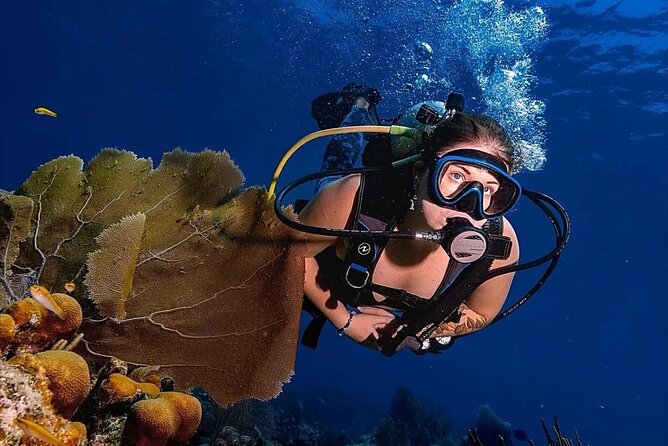
This outing includes use of scuba equipment, plus snorkeling equipment and water. That reduces your packing list and eliminates a common vacation stressor: rented gear that doesn’t fit right.
That said, you should still bring the basics that make gear feel personal and comfortable:
- Your own mask and fins only if you prefer them, but you likely won’t need to. The trip provides equipment.
- A towel for after the water time.
- Reef-safe sunscreen applied before boarding, if you use it.
- A way to keep your phone dry (and your hands free when changing tanks).
Because water is included, you can hydrate without hunting for it between the first and second tank. Hydration is one of the simplest things you can control, and you’ll feel the difference on the boat ride back.
If you’re a camera person, this is also a good time to ask about photo help. Some reports mention guides taking photos for families, which suggests the crew is willing to help you document the moment when the timing is right.
Boat size, group size, and why up to 17 matters for comfort
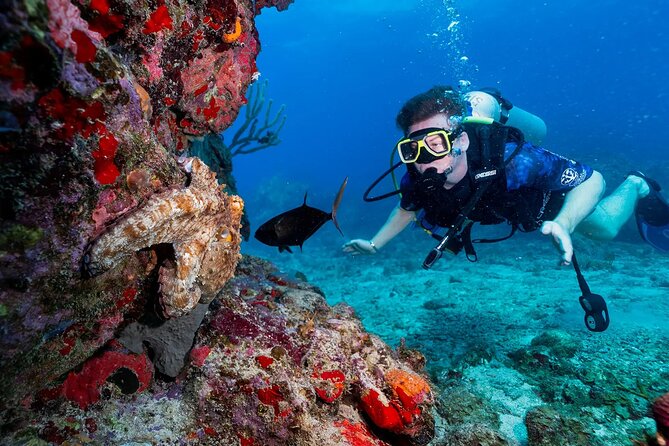
A max group size of 17 is a meaningful detail. Smaller groups typically mean:
- less time waiting to get fitted or suited,
- easier communication with the guide on the surface,
- and fewer “everyone is talking at once” moments that steal your focus.
The trade-off is that you still may have different skill levels. That is normal for popular reef trips on a schedule. The best outcome is that guides handle it smoothly, with coaching for comfort and a plan that keeps everyone safe.
From the feedback, the operation consistently aims for this. People mention that guides are friendly, knowledgeable, and focused on making sure participants feel at ease. When that’s done well, group size becomes an advantage rather than a limitation.
Depth range of 30 to 80 feet: what it means for planning your comfort
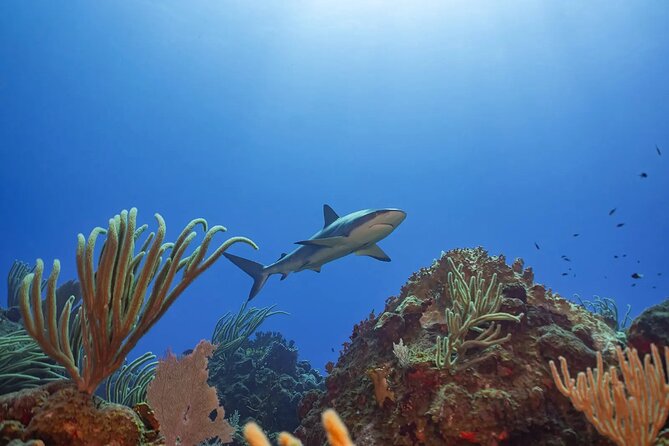
The trip’s reef areas are described as mostly 30 to 80 feet in depth. For you, that means you should plan for a morning profile that includes some depth changes, not just one level.
Practical advice:
- If you tend to feel pressure changes, tell your guide you want extra time for ear clearing and slow breathing.
- If you get chilly, think about a thin wetsuit layer even in warm water. Warm water can still feel cool after repeated splashing and boat air.
- If you like to look longer at the reef, you’ll enjoy this kind of range because you can explore without needing to “push” to extreme depths.
The key is to treat the guide as your tempo-setter. People mention coaching for ear clearing and keeping goggles clear, so lean into that. It will make the experience feel smoother, especially if you haven’t done scuba recently.
Price vs what you get at $180 per person
Let’s talk value like a grown-up.
You pay $180 per person for a 3-hour outing that includes:
- two tank sessions,
- a guide-led experience,
- scuba equipment rental,
- snorkeling equipment,
- and water.
You also get the benefits of a long-running local operator, plus the reassurance that the group stays relatively small. What you are not paying for separately is your gear. For many visitors, that alone makes the trip worth it.
Is it the cheapest way to get underwater time? Probably not. But it is the kind of price that stays fair when you consider what is included and how the crew runs the operation. In a place like St John where conditions can change, paying for a smooth, guided setup can be the difference between a fun morning and a stressful one.
One more value point: you can book it a few days ahead. The average booking timing is about 5 days in advance, which suggests it’s a popular slot, but not so booked-up that you’re always stuck waiting.
Who should book this and who should consider a different format
This is a strong choice if you:
- want an efficient two-tank morning that leaves the rest of your day open,
- like local reef exploration rather than a long itinerary,
- appreciate gear included, so you travel lighter,
- and want a crew that helps you feel comfortable in-water.
It may be less perfect if you are an advanced, highly time-optimized scuba participant and you expect a fast, wide-ranging exploration at your exact pace. Because group skill mix can influence flow, your “I want maximum air usage and maximum bottom time” mindset may not align with how the crew organizes everyone together.
If you’re returning to scuba after a break, or you want more confidence with buoyancy and comfort, this format can be a great reset. Just go in communicating what you need, and you’ll get much more out of those two tanks.
FAQ
Where does the two-tank morning trip start in St John?
It starts at 1 Bay St, Cruz Bay, St John, USVI.
What time does the trip begin?
The start time is 8:10 am.
How long is the trip?
The duration is about 3 hours.
What is the maximum group size?
The maximum is 17 travelers.
What equipment is included?
The price includes use of scuba equipment, use of snorkeling equipment, and water.
Do I need to be certified?
This experience is for certified divers, so you should plan on being ready for an outing intended for certified scuba participants rather than a first-time intro lesson.
What depth range should I expect?
Most sites are described as 30 to 80 feet in depth.
What is the cancellation deadline for a full refund?
You can cancel up to 24 hours before the start time for a full refund.
What happens if conditions are poor or the minimum number of travelers is not met?
If it is canceled due to poor weather, you will be offered a different date or a full refund. If it is canceled because the minimum number of travelers is not met, you will be offered a different date or a full refund.
Should you book Low Key’s two-tank morning trip?
If you want a practical St John morning where the gear is handled, the schedule is tight, and the experience is led by patient, supportive guides, I’d book it. The combination of two tanks in about 3 hours, warm-water reef exploration in the 30 to 80 feet range, and a crew that helps with comfort skills like ear clearing and keeping goggles clear is exactly what makes this sort of trip land well.
Just go in with two expectations set: reef conditions and wildlife variety can change day to day, and your group pace can be influenced by the experience level of others. If you can flex on that, you’ll get a smooth, local, no-drama morning in one of the best places in the Caribbean for reef time.
Everything Else in the Islands
- Night Kayak Tour St. John – Westin Resort★ 4.5 · 1,011 reviews
- Book Your Private Two and a Half Hour Island Tour today!★ 5.0 · 312 reviews
- Kayak & Snorkel with Sea Turtles, National Park, St. John★ 5.0 · 291 reviews
- St. John Full-Day Lime Out Snorkel Taco Lunch & Open Bar – Westin★ 5.0 · 289 reviews
- St. John Days End Sunset Sail Open Bar & Hors D’oeuvres – Westin★ 5.0 · 281 reviews
Reviewed lately across St Thomas, St John and St Croix



Scuba Diving, Snuba & Helmet Dives, compared.
 ★ 5.0Two-Tank Dive for Certified Diving in St ThomasFrom $189456 reviews
 ★ 5.0Discover Scuba Diving with No Certification in St ThomasFrom $225223 reviews
 ★ 5.0Guided Underwater Scooter and Snorkeling Activity in St. ThomasFrom $131195 reviews
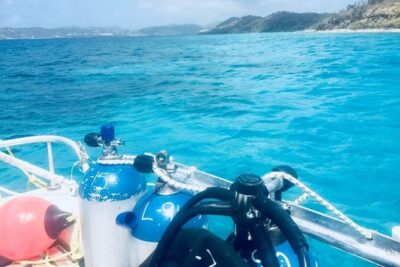 ★ 5.0Two Tank DiveFrom $200131 reviews
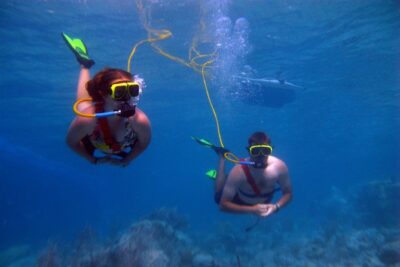 ★ 5.0Snuba Adventure at Coral World Ocean ParkFrom $102114 reviews
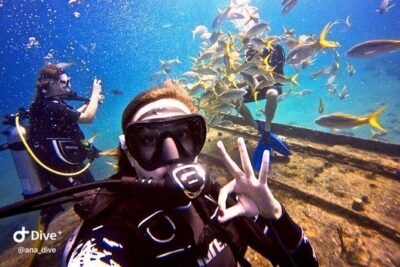 ★ 5.0PADI / SSI Open Water CertificationFrom $795100 reviews
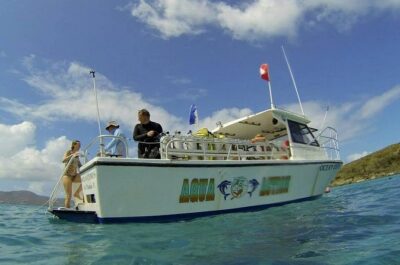 ★ 5.0Discover Scuba DivingFrom $17543 reviews
 ★ 5.0Private Full Day Guided Snorkeling or Diving Charter in St ThomasFrom $3,22518 reviews
Browse the lists this tour appears in