
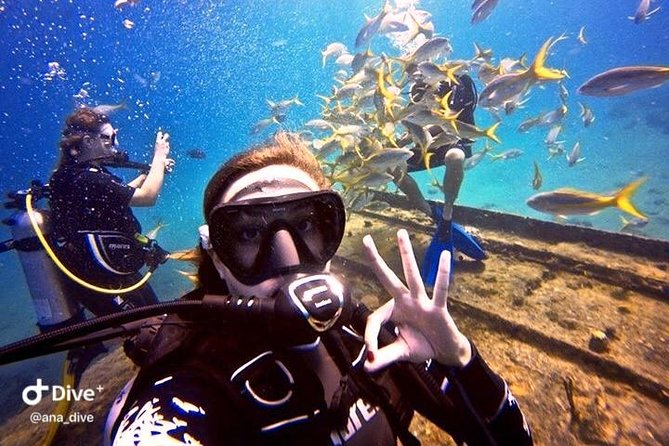
REVIEW · SCUBA DIVING, SNUBA & HELMET DIVES
PADI / SSI Open Water Certification
Learning scuba here feels like a fairytale. The real hook is how this course builds your confidence step by step, starting with online prep and ending with open-water checkout sessions over St Thomas reefs.
You also get a small-group setup, so it feels less like a factory class and more like personal coaching.
I especially like the max eight student limit, because it means your instructor can spot what needs fixing right away, not just move you along. I also like that your course includes equipment plus bottled water, soft drinks, and snacks on boat days, so you can focus on the work, not logistics.
One possible drawback: you have to complete the required eLearning first (often 6 to 12 hours), and the in-water dates get scheduled after booking. If you wait too long to start the online part, you can end up feeling rushed.
In This Review
- Key highlights I’d plan around
- St Thomas Scuba Diver Certification: what makes this 3-day plan work
- How the course flows: eLearning to pool skills to open-water checkout sessions
- Your first meeting point at Saga Haven Marina, plus what to expect day to day
- Boat days in St Thomas: comfort details and realistic site expectations
- Gear, group size, and why your instructor really matters
- Price and value: what $795 covers, what costs extra, and how to make it feel worth it
- Fitness, swimming comfort, age rules, and the flight timing tip
- Marine conditions and scheduling: how weather and timing affect your learning
- Who this St Thomas certification course is best for
- Should you book this PADI/SSI open-water certification in St Thomas?
- FAQ
- Which certification options are available for this course?
- Is the eLearning part included in the price?
- How long does the eLearning typically take?
- Where do I meet, and what time does it start?
- Is hotel pickup or drop-off included?
- How many people are in the class?
- Do I need to be able to swim?
- Is there an age limit?
- How long should I wait after diving before flying?
Key highlights I’d plan around
- eLearning first, then instructor-led skills in confined water
- Two separate boat days for open-water checkout sessions
- Small class size, capped at eight students
- All dive gear included for the training
- On-boat refreshments (bottled water, soft drinks) plus snacks
- Real-world safety checks like the diver medical questionnaire on arrival
Other ways to get under the surface here
- Sea Trek Helmet Dive at Coral World Ocean Park
★ 5.0 · 992 reviews - Two-Tank Dive for Certified Diving in St Thomas
★ 5.0 · 456 reviews - Discover Scuba Diving with No Certification in St Thomas
★ 5.0 · 223 reviews - Guided Underwater Scooter and Snorkeling Activity in St. Thomas
★ 5.0 · 195 reviews
St Thomas Scuba Diver Certification: what makes this 3-day plan work
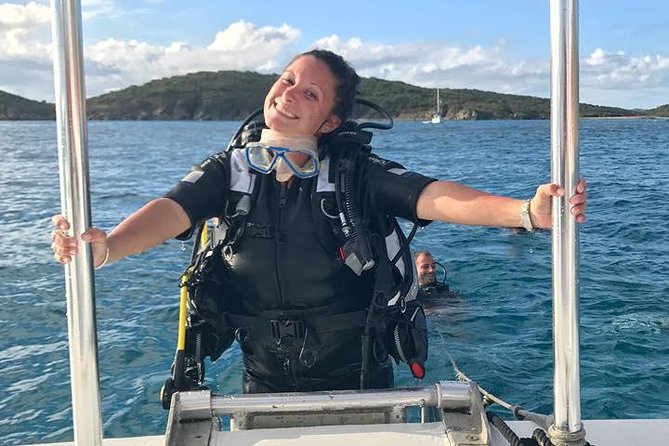
St Thomas is a great place to earn your scuba diver certification because the water work and the boat access are right there, ready when you are. This course is built for people who want structure: you do the thinking before you touch the water, then you practice skills in a controlled setting, and finally you prove the basics in open water with an instructor supervising.
The pricing is also straightforward. At $795 per person, you’re not just buying time on a boat. You’re buying instruction, guidance through the required skills, the equipment you need, and the boat-day basics like drinks and snacks. That matters, because the stuff that makes training comfortable (gear that fits, equipment you don’t have to scramble for, water and food during the day) is part of what determines whether your experience feels smooth or stressful.
From what I see consistently in how this shop operates, the training energy is practical and calming. Instructors including Kyle, Jaime, Erica, and Steph are repeatedly described as patient, clear, and focused on safety. That’s a big deal for first-timers, because most people don’t need more hype, they need someone who explains what to do, then stays steady while you learn.
How the course flows: eLearning to pool skills to open-water checkout sessions
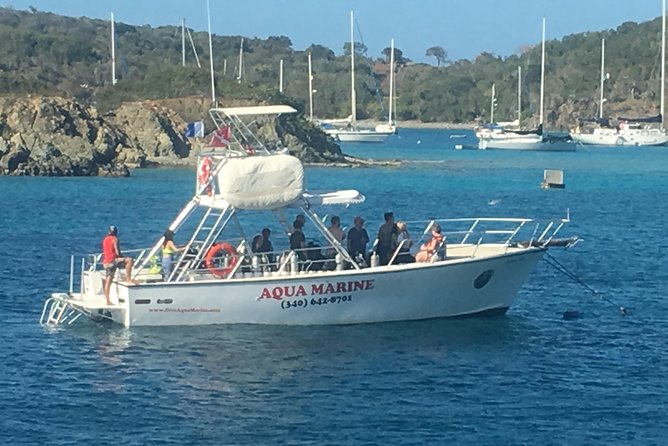
Here’s the rhythm you should expect. You start with the required eLearning, then you move into confined water skills, and only after that do you get your open-water checkout sessions on boats.
First, the eLearning part:
- It is not included in the package price.
- You’ll need to complete it before any in-water training.
- Plan for roughly 6 to 12 hours total, depending on your pace.
- You can get help assigning it, if you need it.
Why this matters in real life: the eLearning is where you learn the theory and key safety habits. If you skip it or rush it at the last minute, you’re more likely to feel mentally behind once you get in the pool and ocean. Doing it early usually makes the rest of the course feel simpler, because the instructor isn’t starting from zero.
Next, confined-water skills:
- Your instructor leads you through core skills in a confined water environment first.
- This is where you build muscle memory with things like regulator use, breathing control, and basic underwater coordination.
- The goal is comfort and control, not speed.
Then, the open-water part:
- Your course includes two boat trips of open-water checkout sessions.
- You will be scheduled for an in-water pool session ahead of the first boat day, plus a second boat day.
- The course needs at least 3 half-days in the water (or about 1.5 days of water time) to finish all the requirements for open-water certification.
I like how this structure separates learning from proving. You practice safely first, then you apply it under supervision. If you’ve ever tried to learn something technical in a single jump, you already know why that matters.
Your first meeting point at Saga Haven Marina, plus what to expect day to day
Your ticket lists the meeting location as Saga Haven Marina, St Thomas 00802, USVI, with a 1:00 pm start time. The activity ends back at that same meeting point.
After booking, the shop will coordinate the exact schedule for the water portion. The key idea is that your in-water training is not a single straight-line sequence. They need to:
1) schedule your early morning pool session ahead of your first open-water boat checkout day, and
2) schedule you for a second boat day.
So when you plan around this, think in blocks, not just a single day. You’ll likely want flexibility around the first few days of your trip to keep the schedule comfortable.
Also note what’s missing from the logistics:
- Hotel pickup and drop-off are not included.
- It’s near public transportation, so getting there should be doable, but you’ll want to plan your own ride.
That’s not a dealbreaker. It just means you should factor in a little local timing buffer. A lot of first-time divers underestimate how quickly a “short class” becomes a half-day commitment once transportation and check-in are added.
Boat days in St Thomas: comfort details and realistic site expectations
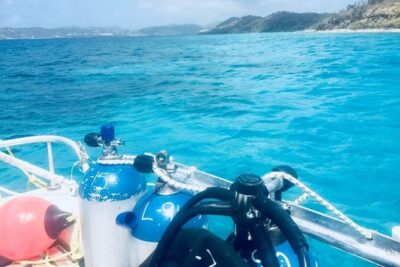
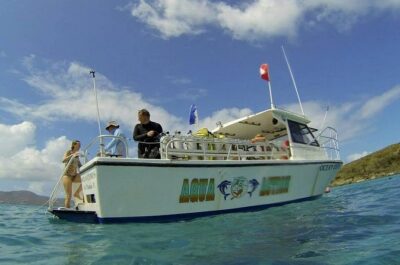
Once you’re done with the pool portion, your certification work moves onto boats. On the boat days, this course includes drinks and snacks, specifically:
- bottled water
- soft drinks
- snacks
Those little items matter more than you might think. Your comfort affects your focus underwater. If you’re not hungry, not thirsty, and not cranky from waiting in the sun, your learning gets easier.
Instructors and crew are often praised for creating a calm, organized atmosphere. Names you may hear in this shop’s training team include Abby, Erika, and Stephanie in instructor and crew roles, plus captains like Captain Tommy. The consistent theme is safety-first, with enough good energy to keep first-timers from getting stiff.
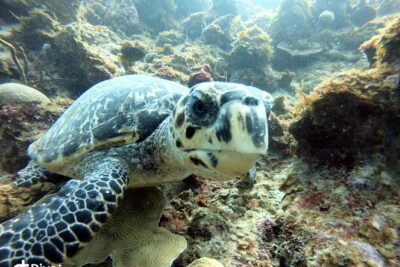
Now for a reality check: marine life and visibility vary. One account highlights a first site described as shallow, around 30 feet, where turtles did not show and visibility was limited, leading to a less-than-ideal feel for that particular day. Another response from the shop pointed toward the idea that different days and conditions can change what you see.
So keep your expectations flexible. You’re there for certification quality and safety. Marine life is a bonus, not the grade.
Gear, group size, and why your instructor really matters
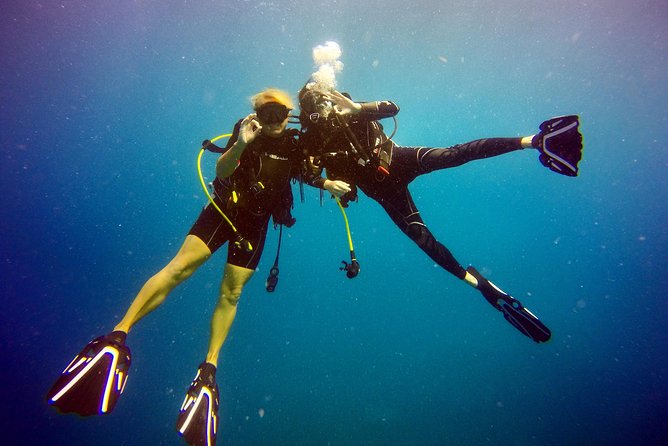
This is capped at a maximum of eight travelers. That small number changes the whole experience.
With a smaller group:
- You spend less time waiting.
- Your instructor can check your setup more thoroughly.
- You’re more likely to get immediate corrections, especially early on when buoyancy and mask comfort are still new.
The course also includes use of dive gear. That’s a huge value point for beginners. Getting a rental that fits right helps you breathe comfortably, feel stable, and avoid the annoying distractions that slow learning.
From the training styles mentioned, instructors like Kyle and Jaime are repeatedly associated with being thorough and calming, with teaching that helps you know what to do before it gets awkward. Steph is also described as patient and especially helpful when something like mask fit becomes a stumbling block.
If you’re the kind of person who gets nervous, this kind of coaching is exactly what you want. Not silence and pressure. Clear instructions and steady feedback.
Price and value: what $795 covers, what costs extra, and how to make it feel worth it
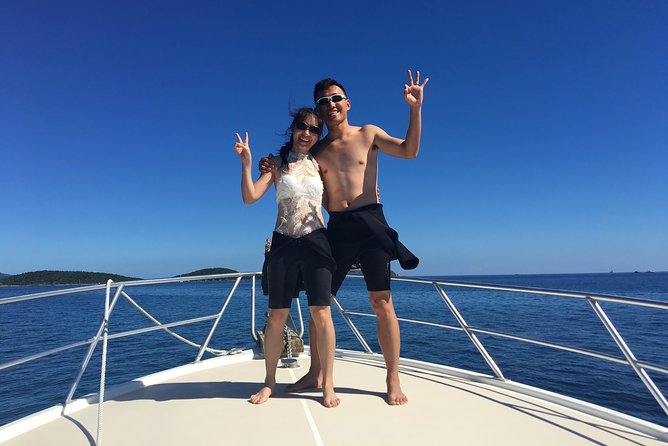
At $795 per person, the value comes from what’s included versus what you must handle yourself.
Included in your cost:
- Professional guide
- Use of dive gear
- Beverages
- Bottled water
- Snacks
Not included:
- PADI or SSI eLearning materials
- Hotel pickup and drop-off
That means your biggest extra cost is the online course content. The good news is you only need to buy it once, and you can complete it ahead of time. If you start eLearning early, you’re also less likely to feel rushed once you arrive.
Is it a bargain? Not the cheapest option on the island, but it’s priced like a real training course that includes gear, instructors, and the day-of comfort items that beginners need. For first-timers, that trade usually works out well.
If you already own good scuba gear and have a tight schedule, you might compare costs elsewhere. But for most people, the equipment included plus the guided structure makes this feel like a fair deal.
Fitness, swimming comfort, age rules, and the flight timing tip
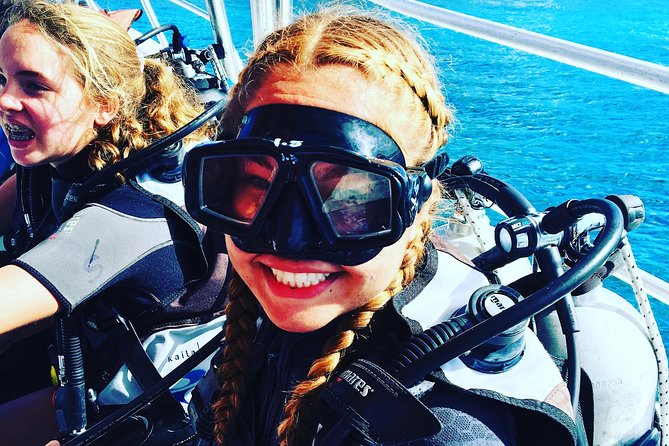
This activity asks for a moderate physical fitness level. More important, it requires that:
- you can swim comfortably and capably in an open-water environment without assistance
That’s not a box-checking rule. Open-water skills involve staying relaxed, maintaining position, and handling basic movement without panic.
There’s also an age minimum: 10 years old, and children must be accompanied by an adult. That makes it a reasonable option for families who want consistent training rather than mixing experiences.
Finally, plan around flying. Divers are advised to allow a minimum of 18 hours after diving before flying. To keep things simple, treat this as a hard planning rule. Build it into your itinerary so your last dive day and your departure day do not collide.
Also, you’ll need to complete a standard Diver Medical Questionnaire on arrival. It’s smart to review ahead of time if you have any health conditions that might require doctor approval.
Marine conditions and scheduling: how weather and timing affect your learning
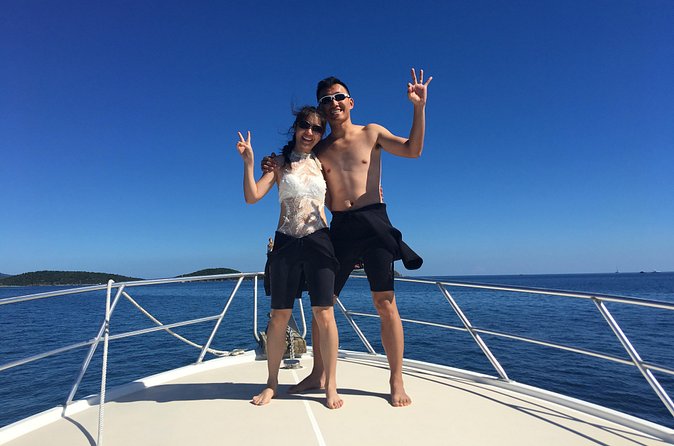
This experience requires good weather. If it’s canceled due to poor weather, you’ll be offered a different date or a full refund. It also requires a minimum number of travelers, and if that minimum is not met, you’ll be offered a different date or full refund.
Why I mention this even though it’s not the “fun part” is because your certification experience depends on actually getting into the water. When the sea is calm, the whole course flows. When conditions are rough, everything slows down or gets moved.
In practice, the best approach is to:
- start eLearning early
- stay flexible on exact water dates
- keep your schedule open for at least the first part of your trip
One more tip: the shop needs you to contact them after booking so they can work on your instruction schedule. If you wait until the last day to coordinate, you risk seat-tightening your own timeline.
Who this St Thomas certification course is best for
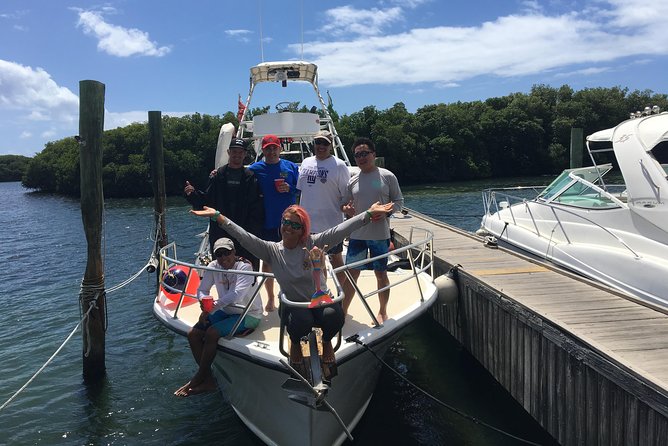
This course is a strong match if:
- you’re a beginner or returning diver who wants structured instruction
- you want a small group setting with gear handled for you
- you prefer an organized path that goes from eLearning to pool skills to open water
- you want a crew that focuses on safety while still keeping the mood light
It’s also a good fit for families and mixed experience groups, especially because instruction tends to be personalized within that eight-person limit.
If you’re very short on time, the eLearning requirement plus the need for multiple half-days in the water can be a constraint. But if you plan ahead, the 3-day structure is actually a pretty efficient way to get certified in one place.
Should you book this PADI/SSI open-water certification in St Thomas?
I’d book it if you want a beginner-friendly certification that takes safety seriously and keeps the group size small. The included gear, the on-boat snacks and drinks, and the step-by-step flow from eLearning to confined-water skills to open-water checkout sessions are exactly what make certification feel manageable.
I wouldn’t book it if you hate scheduling or you tend to procrastinate. The course depends on eLearning being completed first, and the in-water timing gets coordinated after you book. Also, weather plays a role, so you should avoid building a trip with no buffer.
If you want the practical answer: book it when you can start eLearning early, and when you can give the first few days of your St Thomas trip some breathing room. That’s when this course turns into a smooth, confidence-building experience, not a rushed checkbox.
FAQ
Which certification options are available for this course?
You can choose from PADI, SSI, or SDI qualifications, depending on what you select for your certification route.
Is the eLearning part included in the price?
No. The PADI or SSI eLearning materials are not included, and you must complete eLearning before you start in-water training.
How long does the eLearning typically take?
It usually takes 6 to 12 hours to complete, so it’s best to start well ahead of your first in-water day.
Where do I meet, and what time does it start?
The meeting point is Saga Haven Marina, St Thomas 00802, USVI, and the start time listed is 1:00 pm. The activity ends back at the meeting point.
Is hotel pickup or drop-off included?
No. Hotel pickup and drop-off are not included, so you’ll need to get to the marina on your own.
How many people are in the class?
This experience has a maximum of eight travelers, which keeps the training group small.
Do I need to be able to swim?
Yes. You must be able to swim comfortably and capably in open water without assistance.
Is there an age limit?
The minimum age is 10 years old, and children must be accompanied by an adult.
How long should I wait after diving before flying?
Divers are advised to allow a minimum of 18 hours after diving before flying.
Everything Else in the Islands
- Turtle Cove Catamaran Snorkel and Sail at Little Buck Island STT★ 5.0 · 2,100 reviews
- Snorkel St. John Tour from Sapphire and Margaritaville★ 5.0 · 1,874 reviews
- Night Kayak Tour St. Thomas – Westin Frenchman’s Reef★ 5.0 · 1,813 reviews
- Tree Limin’ Extreme Zipline★ 5.0 · 1,713 reviews
- Afternoon Snorkel, Pizza & Sunset Tour departing from St. Thomas & St. John★ 5.0 · 1,498 reviews
Under the Surface Out Here
- Sea Trek Helmet Dive at Coral World Ocean Park★ 5.0 · 992 reviews
- Two-Tank Dive for Certified Diving in St Thomas★ 5.0 · 456 reviews
- Discover Scuba Diving with No Certification in St Thomas★ 5.0 · 223 reviews
- Guided Underwater Scooter and Snorkeling Activity in St. Thomas★ 5.0 · 195 reviews
- Two Tank Dive★ 5.0 · 131 reviews
Reviewed lately across St Thomas, St John and St Croix





Scuba Diving, Snuba & Helmet Dives, compared.
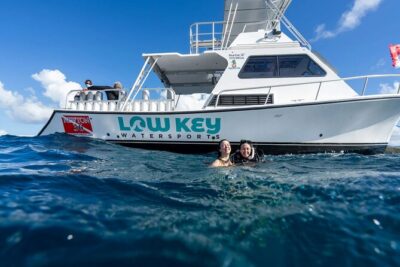 ★ 5.0Two-Tank Morning Dive Trip for Certified DiversFrom $180602 reviews
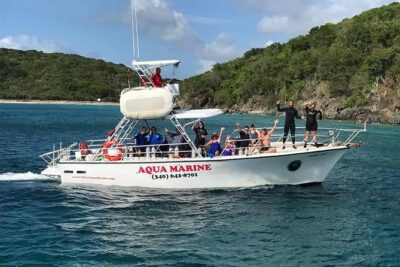 ★ 5.0Two-Tank Dive for Certified Diving in St ThomasFrom $189456 reviews
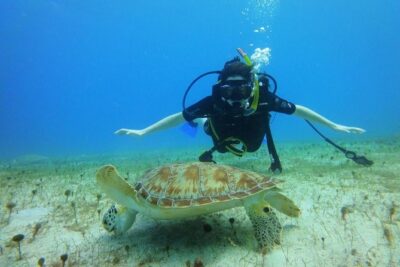 ★ 5.0Discover Scuba Diving with No Certification in St ThomasFrom $225223 reviews
 ★ 5.0Guided Underwater Scooter and Snorkeling Activity in St. ThomasFrom $131195 reviews
 ★ 5.0Two Tank DiveFrom $200131 reviews
 ★ 5.0Snuba Adventure at Coral World Ocean ParkFrom $102114 reviews
 ★ 5.0Discover Scuba DivingFrom $17543 reviews
 ★ 5.0Private Full Day Guided Snorkeling or Diving Charter in St ThomasFrom $3,22518 reviews
Browse the lists this tour appears in